Auto Brake Controllers

Auto Brake Controllers

Electric Brake Controllers for Caravans & Trailers: The REDARC Advantage

Installed by Experts at Monteltham Auto Electric

Towing a caravan or heavy trailer transforms a simple drive into a high-stakes responsibility. Australian roads, with their mix of highways, hills, gravel tracks, and sudden traffic, demand reliable braking. Without proper control over your trailer’s brakes, the risks escalate dramatically. This is where a quality electric brake controller becomes essential — and REDARC’s Tow-Pro range stands out as one of Australia’s most trusted solutions.


Brake Controller

The Dangers of Towing Without Proper Brake Control

Many drivers underestimate the forces at play when towing. A loaded caravan can weigh 2–3.5 tonnes or more. When you press the brake pedal in your tow vehicle, your car’s brakes work hard to slow the combined mass — often 4–5 tonnes total. Without trailer brakes activating in sync, the caravan’s momentum continues forward, pushing against the tow vehicle.

Consequences include:

  •  Dramatically increased stopping distances — up to double or more in emergency situations.
  • Trailer sway or “fishtailing,” which can quickly lead to loss of control, especially on highways, in crosswinds, or during sudden braking.
  • Jack-knifing, where the trailer swings around toward the tow vehicle.
  • Overheating and premature wear on your vehicle’s brakes, leading to fade and reduced effectiveness on long descents.
  • Higher risk of accidents, with potential legal and insurance implications. In Australia, electric brakes are mandatory for caravans over 750 kg ATM, and towing without proper control can result in fines, demerit points, or voided insurance.

Real-world scenarios amplify these dangers: descending the Great Dividing Range, emergency stops in heavy traffic, or navigating wet roads after rain. Without a brake controller, your trailer is essentially an uncontrolled mass hurtling behind you. REDARC brake controllers address this by ensuring the caravan brakes simultaneously and proportionally with your tow vehicle, creating a balanced, stable stop.

How REDARC Brake Controllers Create a Much Safer Drive

REDARC, an Australian company renowned for rugged, innovative 12V and 4WD electrical products, designed the **Tow-Pro Elite** (and related models like Tow-Pro Liberty and Link) to deliver superior towing safety and versatility. These units transform towing from a nerve-wracking experience into a confident, controlled one.

Redarc Brake Controller


Key safety benefits:
Shorter, smoother stopping distances: The controller applies trailer brakes in harmony with your vehicle, distributing braking load and preventing the caravan from pushing forward.

Reduced sway and improved stability: Manual override lets you apply trailer brakes independently to straighten the rig instantly.

Less wear on your tow vehicle’s brakes: Shared braking effort means your car’s brakes last longer and perform better under load.
-All-terrain capability:  Whether highway cruising, gravel roads, or serious off-road, REDARC controllers adapt to conditions.

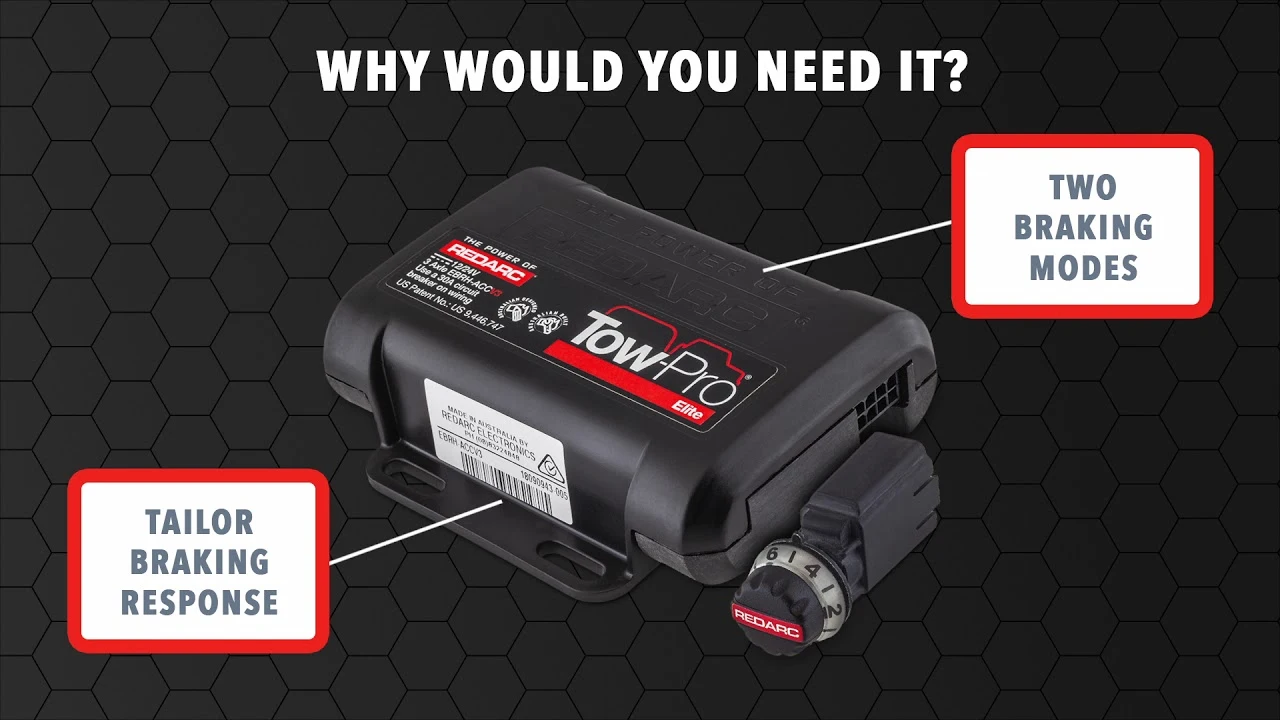
The Tow-Pro Elite is particularly praised for its **dual-mode operation** — the only controller on the market offering both proportional and user-controlled braking in one compact system. This flexibility makes it ideal for everything from daily highway hauls to remote outback adventures.

How the REDARC Unit Works

At its core, a REDARC electric brake controller modulates power to the trailer’s electromagnetic brakes via the 7-pin or 12-pin plug. Here’s the step-by-step process:


  1. Detection: When you press the brake pedal, the controller’s advanced sensors (including a 3-axis accelerometer in the Elite) detect your vehicle’s deceleration.
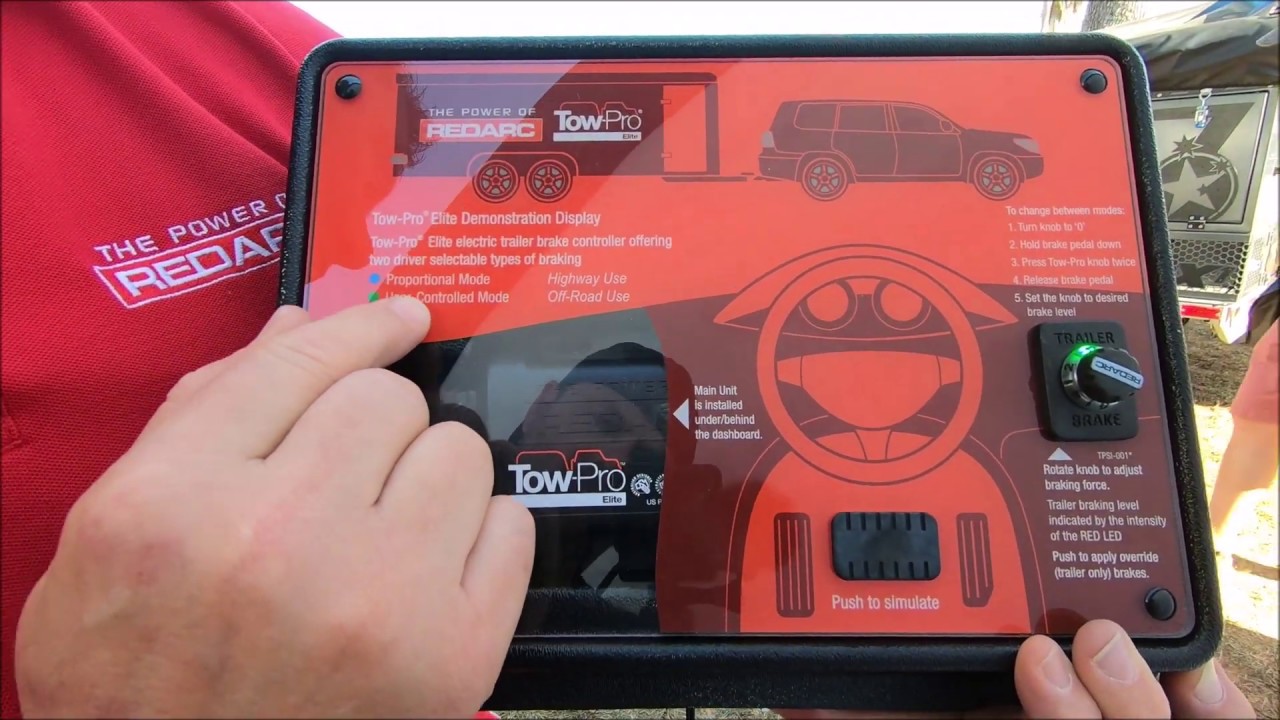
  2. Proportional Mode (Everyday/Highway — Blue LED)**: The unit automatically calculates the ideal braking force for the trailer based on how hard you’re braking. It uses inertia sensing to match trailer braking to vehicle deceleration, delivering smooth, seamless stops. Active calibration adapts to your specific load and conditions over time.
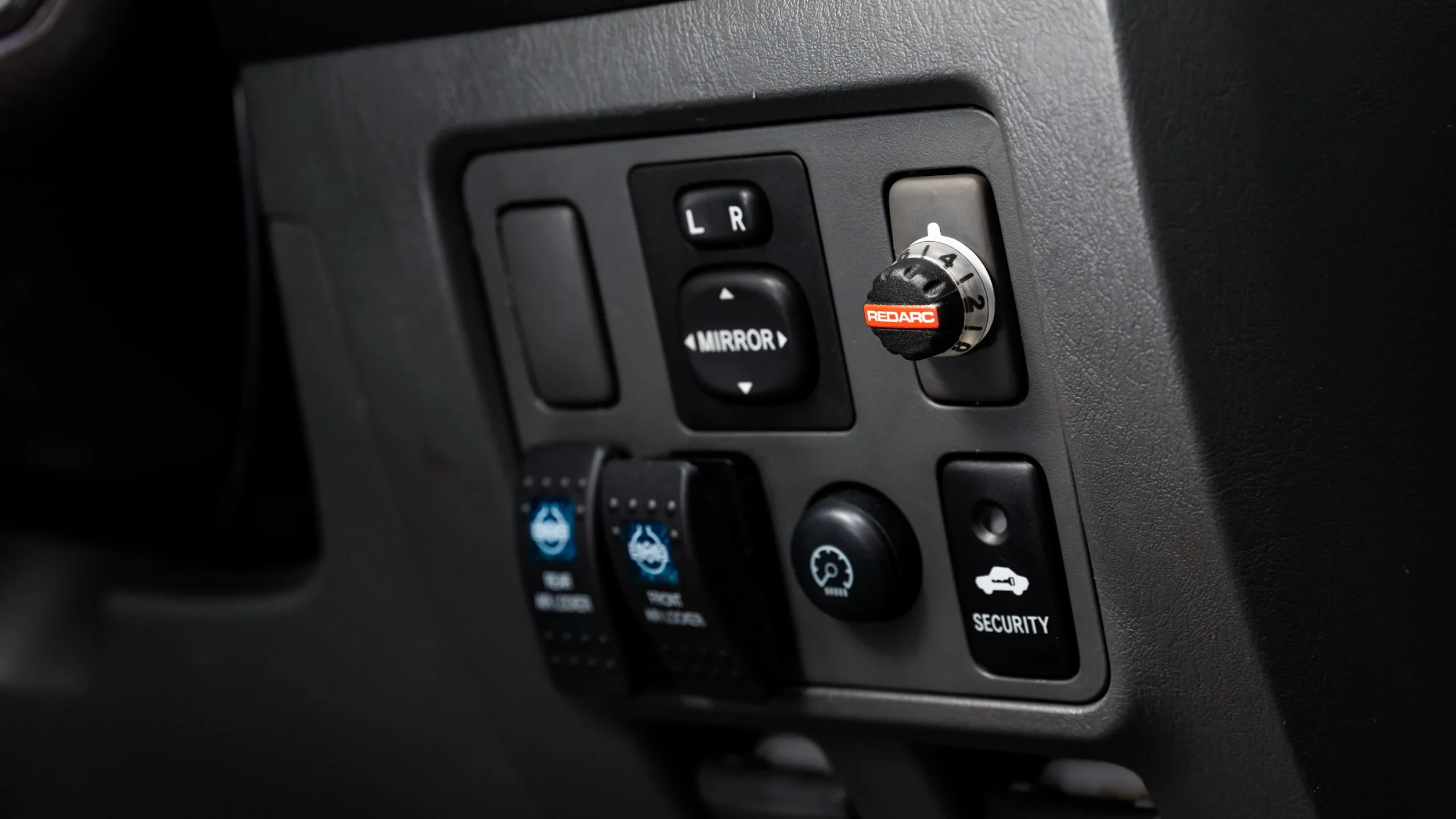
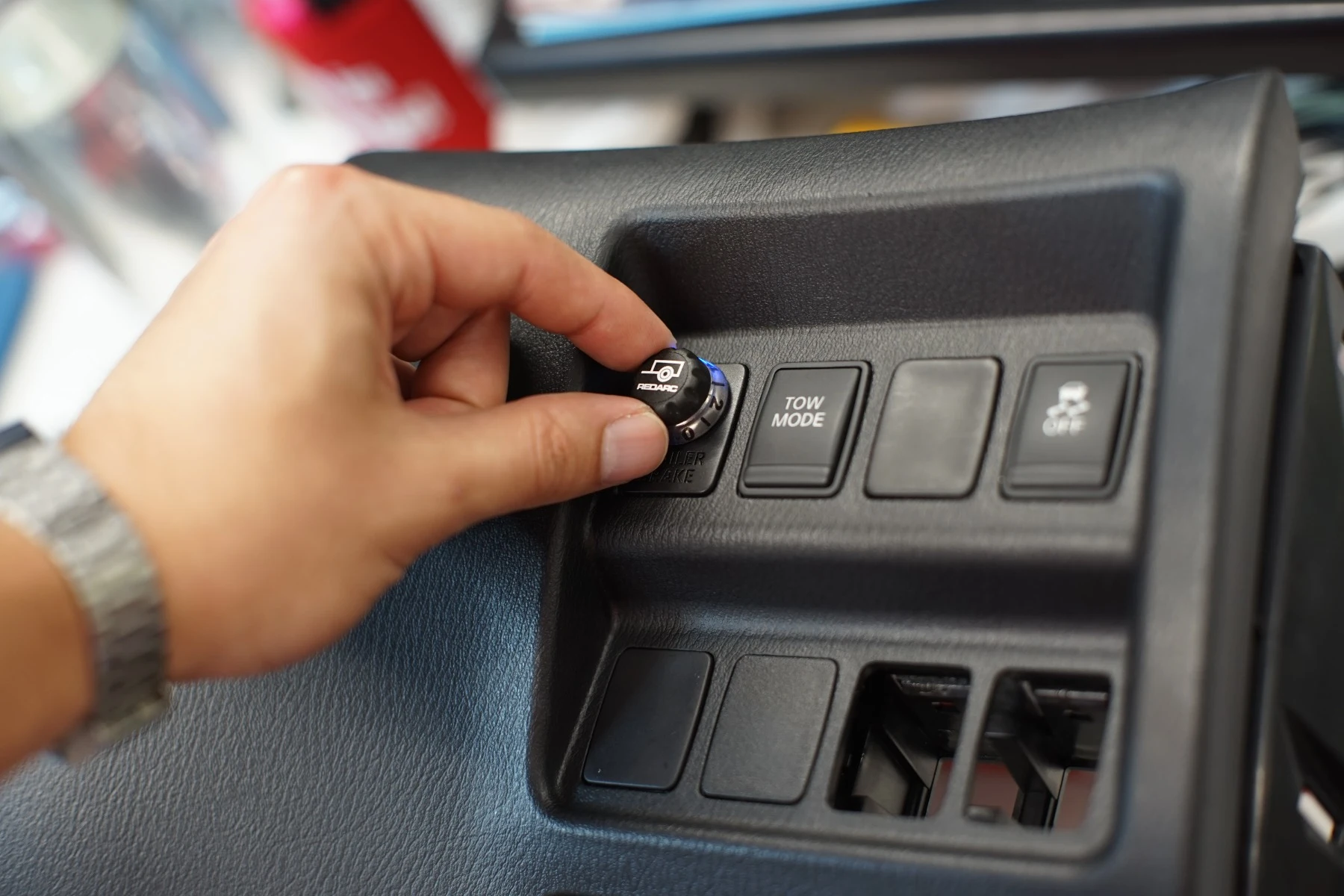
  3. User-Controlled Mode (Off-Road — Green LED): Rotate the knob to select a fixed braking level (0–10). The trailer applies brakes at that intensity whenever the brake light signal activates — perfect for steep descents, sand, mud, or loose surfaces where proportional mode might struggle.
  4. Manual Override: Push the knob to apply trailer-only brakes independently. This is invaluable for correcting sway or when descending hills without using vehicle brakes excessively.
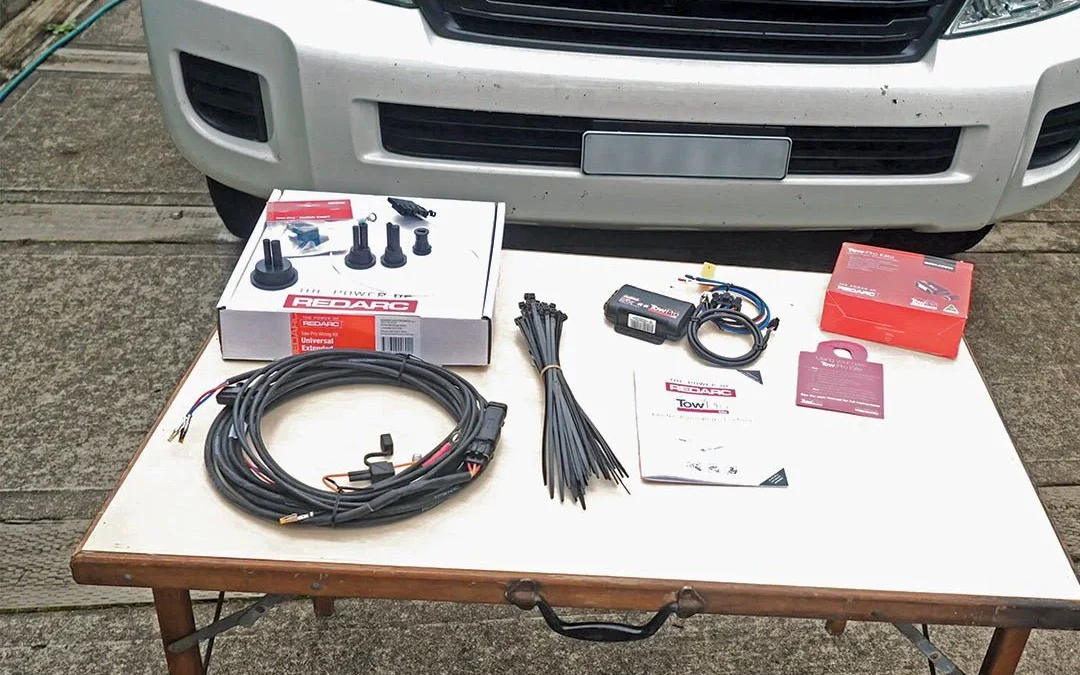
  5. Compatibility: Works on both 12V and 24V systems, with clean installation options (main unit hidden under the dash, small remote head on the dash for easy access).

The system is intuitive: a colour-changing LED on the remote head shows the mode and braking intensity. Setup involves a short calibration drive, after which the unit “learns” your vehicle and load for optimal performance.

Redarc Braking System

REDARC’s engineering ensures reliability in harsh Australian conditions — dust, heat, vibration, and water exposure. The compact design minimises dashboard clutter while maintaining a factory-like appearance.

Redarc Braking System


Monteltham Auto Electric: Experts in REDARC Installation

Proper installation is critical for safety and performance. Incorrect wiring can lead to brake failure or electrical issues. This is where **Monteltham Auto Electric** (also known as Mont Eltham Auto Electrics) excels. Based in Montmorency (near Eltham and Greensborough in Melbourne’s northeast), they are an authorised **REDARC Network** member with years of experience installing REDARC products.

Monteltham’s qualified auto electricians handle everything from simple plug-and-play setups to complex custom wiring in modern vehicles. They:

  • Select the right REDARC model for your vehicle and towing needs.
  • Ensure compliant, professional installation with high-quality looms and secure mounting.
  • Perform thorough testing, including calibration and road checks.
  • Provide advice on integration with other systems like dual-battery setups or solar.

As long-term REDARC specialists, they stay up-to-date with the latest Tow-Pro models and firmware. Customers praise their expertise, fair pricing, and reliable service for caravans, 4WDs, and trailers. Whether you’re fitting a Tow-Pro Elite for weekend getaways or a full towing package, Monteltham delivers peace of mind.

Investing in Safety

A REDARC electric brake controller is more than a legal requirement — it’s an investment in safety, comfort, and vehicle longevity. By synchronising your caravan or trailer’s brakes with your tow vehicle, it dramatically reduces risks and makes long hauls enjoyable rather than stressful.

Contact Monteltham Auto Electric today on 03 9435 1198 or visit their workshop in Montmorency. Their team can assess your setup, recommend the perfect REDARC solution, and install it professionally so you can tow with total confidence on Australia’s diverse roads.

Safe travels — with the right equipment and expert installation, every journey becomes smoother and more secure.

Servicing my Car Air Conditioning

Servicing my Car Air Conditioning

Keep Your Cool: Why Professional Car Air Conditioning Service Matters – And How Mont Eltham Auto Electrics Delivers

In Melbourne’s unpredictable climate, your car’s air conditioning system is more than a luxury—it’s essential for comfort, safety, and driving enjoyment. Scorching summer days push temperatures into the high 30s and beyond, while humid springs and changeable winters demand reliable demisting and climate control. When your AC blows warm air, makes strange noises, or fails to cool effectively, it can turn every drive into an uncomfortable ordeal and even compromise visibility through foggy windows.

Many drivers overlook their vehicle’s air conditioning until it stops working entirely. However, regular professional servicing prevents small issues from becoming expensive breakdowns. At Mont Eltham Auto Electrics, a trusted local specialist serving Briar Hill, Eltham, Montmorency, Diamond Creek, and surrounding Melbourne suburbs, the team focuses on expert diagnosis, service, and repair of automotive air-conditioning systems across all vehicle makes and models.

Understanding Common Air Conditioning Problems

Modern car AC systems are complex, combining mechanical, electrical, and refrigerant components. Over time, several issues commonly arise, particularly in Australia’s hot and variable conditions:

  • Refrigerant leaks — The most frequent culprit for poor cooling. Even tiny leaks in hoses, seals, or O-rings cause gradual refrigerant loss, reducing efficiency and risking compressor damage.
  • Compressor and clutch failures — The compressor is the heart of the system. Wear, electrical faults, or running with low refrigerant can cause seizure or clutch slippage.
  • Pressure irregularities — Incorrect pressures (too high or low) indicate blockages, faulty expansion valves, or sensor issues.
  • Electrical control problems — Faulty sensors, relays, wiring, or climate control modules prevent the system from activating properly.
  • Component wear — Condensers get clogged with debris, evaporators develop mould or blockages, and hoses degrade from heat and age.

Ignoring these signs leads to bigger problems. A failing compressor can cost thousands to replace, and driving without effective demisting in wet weather increases safety risks.

The Professional Approach at Mont Eltham Auto Electrics

Mont Eltham Auto Electrics stands out by using advanced diagnostic equipment to pinpoint faults accurately and efficiently. Their qualified technicians perform comprehensive assessments rather than guesswork, ensuring repairs target the root cause.

Services include:

  • Full system performance testing — Checking cooling output, pressures, temperatures, and overall efficiency.
  • Refrigerant recovery and re-gassing — Safely removing old refrigerant (compliant with Australian regulations), evacuating the system, and recharging with the correct type and amount of approved refrigerant.
  • Leak detection — Using UV dye, electronic sniffers, or pressure testing to find even the smallest leaks.
  • Hose and fitting repairs — Replacing damaged hoses, seals, or fittings to restore integrity.
  • Condenser and evaporator assessment — Cleaning, repairing, or recommending replacement when corrosion or blockages reduce performance.
  • Climate control diagnostics — Troubleshooting electronic controls, sensors, and blend doors in modern vehicles with automatic systems.

Every job follows manufacturer specifications, using premium approved parts and refrigerants (such as R134a or the newer R1234yf where required). This commitment delivers optimal cooling efficiency, system reliability, and long-term performance, helping your AC last longer and perform better.

A standout service is their ability to manufacture custom AC lines. Hard-to-find or obsolete parts for older vehicles, classic cars, or modified setups often lead to frustrating delays. Leaks in unique routing or awkward locations can be challenging to source. Mont Eltham Auto Electrics now fabricates custom high-pressure AC hoses and lines in-house or through trusted suppliers. This capability solves difficult leak issues, restores full function to vehicles that might otherwise face expensive full-system replacements or remain unrepaired.

The Benefits of Regular AC Servicing

Scheduling a professional service every 1–2 years (or annually in hot climates) brings multiple advantages:

  • Consistent comfort — Reliable cold air keeps you and passengers cool, reducing fatigue on long drives.
  • Improved safety — Effective demisting clears windscreens quickly in rain or cold mornings.
  • Better fuel efficiency — A struggling AC forces the compressor to work harder, increasing engine load.
  • Healthier cabin air — Regular checks reduce mould and bacteria buildup in evaporators, improving air quality.
  • Cost savings — Early detection of leaks or wear prevents major failures like compressor burnout.
  • Preserved resale value — A well-maintained AC system is a selling point for used vehicles.

In Melbourne’s variable weather, a fully operational AC isn’t optional—it’s practical. Whether commuting through the northern suburbs or heading to the Yarra Valley, you deserve a comfortable, safe drive.

Why Choose Mont Eltham Auto Electrics?

Located at 28 Sherbourne Rd, Briar Hill, the team at Mont Eltham Auto Electrics combines specialised air conditioning expertise with broad auto electrical and mechanical knowledge. As an established local business serving the Eltham and Diamond Creek areas, they prioritise honest diagnostics, transparent pricing, and quality workmanship. Their technicians stay current with evolving vehicle technologies, including hybrid and electric models where thermal management is critical.

Customers appreciate the thorough approach: no unnecessary upsells, just accurate fixes that get you back on the road quickly and reliably. Whether it’s a simple regas, complex electrical fault, or custom line fabrication for that hard-to-source part, the focus remains on delivering lasting results.

Stay Ahead of the Heat

Don’t wait for the next heatwave to discover your AC isn’t up to the task. Proactive care keeps small issues from escalating and ensures your vehicle performs at its best year-round.

Contact Mont Eltham Auto Electrics today on (03) 9435 1198 or visit their website at www.monteltham.com.au to book a comprehensive air conditioning check. With expert diagnosis, manufacturer-standard repairs, and innovative solutions like custom AC lines, they help Melbourne drivers stay cool, comfortable, and safe—no matter the season.

Your vehicle—and your comfort—deserve nothing less.

Bulleen Basketball Sponsorship

Bulleen Basketball Sponsorship

Bulleen-Boomers Basketball Club whose moto is Building Community Through Basketball and known on court as the Bulleen Boomers (BTBC), we have been operating in Bulleen, Templestowe and surrounding suburbs in Melbourne’s outer east for over 55 years — proudly celebrating a tradition of excellence both on and off the court.
https://www.bulleenboomers.com.au/
Monteltham Auto Electric sponsorship last week was enjoyed by the whole community and Jack took the opportunity to introduce some of our products and services and how Monteltham Auto Electric can add safety features and essential products to your caravan, 4WD, and all your camping and off road needs.

Service your Air-Con before the heat

Service your Air-Con before the heat

Air Con Filters Clean

Beat the Heat: Why You Should Service Your Car’s Air Conditioning Before Summer

Hey there, road trippers! As the warm weather rolls in and summer heats up, there’s nothing better than a cool, comfortable ride. But picture this: you’re stuck in traffic on a scorching day, and your car’s air conditioning decides to call it quits. Yikes! That’s why getting your auto air conditioning checked and serviced before the summer heat kicks in is a must. Let’s dive into why it matters, what needs to be checked, and how to do it—all in a friendly, easygoing way.

Why Service Your Car’s AC Before Summer?

Your car’s air conditioner has been sitting idle through the cooler months, collecting dust and maybe a few quirks. When summer hits and you turn it on, you don’t want surprises like weak airflow or strange smells. Regular servicing prevents breakdowns, keeps your system running smoothly, and can save you on fuel costs by improving efficiency. Plus, it ensures your AC lasts longer and keeps the cabin air fresh. Experts say tackling small issues now avoids big repair bills later. Think of it as a tune-up to keep your car’s cool vibes going strong!

What Needs to Be Checked and How?

No need to be a mechanic to get the gist! Some checks are simple, while others need a pro. Here’s what to focus on:

1. Cabin Air Filter

  • Why? A clogged filter reduces airflow, strains the system, and lets dust circulate inside.
  • How? Pop the glovebox or check your owner’s manual for the filter location. Pull it out—if it’s gray and dusty, replace it with a new one (usually $10-$20 at an auto shop). Do this every 12-15,000 km or before summer.
**Dirty Cabin Filter:** Ugh, don’t bother cleaning me! I’ve got all the dirt, dust, and allergens trapped inside me, and I’m doing a great job of… well, not really filtering the air. *coughs* Let’s be real, a dirty filter like me can actually make the air quality worse by re-circulating all the bad stuff back into the cabin. But hey, who needs clean air, right?
**Clean Cabin Filter:** Ah, hello there! I’m the clean and refreshed version of my dirty counterpart. Having me cleaned or replaced regularly is a game-changer for cabin air quality! When I’m clean, I can effectively capture 99.97% of particles as small as 0.3 microns, including dust, pollen, and other airborne contaminants. This means:
1. **Improved air quality**: I can remove harmful pollutants and allergens, making the air safer and healthier to breathe.
2. **Reduced odors**: I can eliminate unpleasant smells and musty odors, keeping the cabin air fresh and clean.
3. **Increased airflow**: A clean filter like me allows for better airflow, which can improve the overall performance of the heating and cooling system.
4. **Better protection for the system**: By capturing dirt and debris, I help prevent damage to the system’s components, reducing the need for costly repairs.
5. **Enhanced comfort**: Clean air can lead to improved comfort, reduced fatigue, and even alleviated allergy symptoms.
So, don’t listen to my dirty counterpart – get me cleaned or replaced regularly to breathe easy and enjoy the benefits of clean cabin air!
Service your Auto Air Con
Compressor Belt

2. Condenser and Evaporator Coils

  • Why? Dirt on these coils lowers cooling efficiency and can cause overheating.
  • How? For the outdoor condenser (near the radiator), turn off the engine, remove debris with a soft brush, and rinse gently with a hose. The evaporator (inside the dash) is trickier—leave it to a pro with specialized cleaner. Check for thick buildup (over 1/4 inch) and seek help if needed.
As an Automotive Air Conditioning Technician, I can tell you that the refrigerant and coils are indeed part of the vehicle’s air conditioning system, but they’re not exactly where you might think.
The refrigerant is a critical component of the system, and it’s what allows the air conditioning to cool the air. However, it’s not normally found inside the vehicle’s cabin. Instead, it’s typically contained within the air conditioning system’s components, such as the compressor, condenser, evaporator, and hoses. These components are usually located outside of the passenger compartment, often under the hood or in the engine compartment.
The coils, on the other hand, are a bit more complex. The condenser coil is usually located in front of the radiator, and it’s responsible for dissipating heat from the hot refrigerant gas. The evaporator coil, which is responsible for cooling the air, is typically located inside the dashboard or under the hood, but it’s usually not directly accessible from inside the vehicle.
Now, when it comes to cleaning the coils, we technicians often use specialized equipment and techniques to access and clean the coils without having to remove them from the vehicle. We might use a combination of vacuuming, brushing, and flushing to remove dirt, debris, and other contaminants from the coils. In some cases, we might need to remove the coils or other components to perform a more thorough cleaning or repair.
As for the refrigerant, we technicians are trained to handle it safely and responsibly. We use specialized equipment to recover, recycle, and recharge the refrigerant, ensuring that it’s handled in an environmentally friendly manner.
So while the refrigerant and coils are indeed part of the vehicle’s air conditioning system, they’re not typically found inside the vehicle’s cabin, and they require specialized knowledge and equipment to service and maintain.

3. Refrigerant Levels and Leaks

  • Why? Low refrigerant means weak cooling and potential compressor damage.
  • How? This is a job for a professional. A technician uses pressure gauges (target 25-45 PSI) to check levels and hunts for leaks with dye or an electronic detector. They’ll recharge it with the right amount (e.g., R134a) if low.

4. Compressor and Belts

  • Why? A failing compressor or loose belt can stop the AC cold.
  • How? Listen for odd noises (grinding or squealing) when turning on the AC. Visually inspect the belt for cracks or slack—tighten or replace if needed. A pro can test compressor function with a multimeter.
As the Auto Air Conditioning Servicing technician, my primary goal is to inspect and diagnose the vehicle’s air conditioning system to identify any potential issues.
In this case, I’m inspecting the AC drain tube and compressor belt. Here’s what I’m looking for:
**AC Drain Tube:**
1. **Blockages:** I’m checking if the drain tube is clogged with debris, dirt, or ice, which can cause water to accumulate and lead to mold, mildew, or even damage to the air conditioning system.
2. **Kinks or damage:** I’m inspecting the tube for any kinks, bends, or damage that could restrict airflow or cause leaks.
3. **Proper installation:** I’m verifying that the drain tube is properly installed, securely connected to the evaporator coil, and routed correctly to prevent any restrictions or blockages.
**Compressor Belt:**
1. **Condition:** I’m checking the compressor belt for signs of wear, cracks, or damage, which can lead to reduced system performance or even complete failure.
2. **Tension:** I’m verifying that the belt is properly tensioned, as a loose belt can cause premature wear, noise, or vibration.
3. **Alignment:** I’m ensuring that the compressor belt is properly aligned with the pulleys to prevent any uneven wear or noise.
By inspecting these components, I can identify any potential issues and perform the necessary repairs or maintenance to ensure the vehicle’s air conditioning system is functioning efficiently and effectively.

5. Drainage System

  • Why? Blockages cause water buildup, leading to mold or leaks inside the car.
  • How? Locate the drain tube under the car (near the evaporator). Use compressed air or a thin wire to clear debris. Pour a little water through to ensure it flows freely.

6. System Performance Test

  • Why? Confirms everything works together.
  • How? Run the AC on max cool and check if the cabin drops 10-15°F within minutes. Listen for hisses or rattles. A pro can use diagnostic tools to measure pressure and airflow.

For peace of mind, book a professional service 1-2 months before summer. They’ll handle the tough stuff and catch hidden issues.

Wrapping It Up

Servicing your car’s air conditioning before the heat wave is a smart move for comfort, savings, and safe travels. A little prep now means cool rides all season long. If you notice weak airflow, funky odors, or higher fuel use, get it checked pronto! Hit the road with confidence, friends—stay cool out there!

Book A Service

Preparing Your Caravan or Camper for Travel

Preparing Your Caravan or Camper for Travel

Essential Tips for Preparing Your Caravan or Camper for Travel

Whether you’re planning a weekend getaway or an extended road trip, properly preparing your caravan or camper is crucial for a safe and enjoyable journey. Here are some key points to ensure your vehicle is ready for the adventure ahead.

Regular Servicing for Safety and Reliability

Routine maintenance is the backbone of a trouble-free trip. Schedule a comprehensive service for your caravan or camper, focusing on the following:

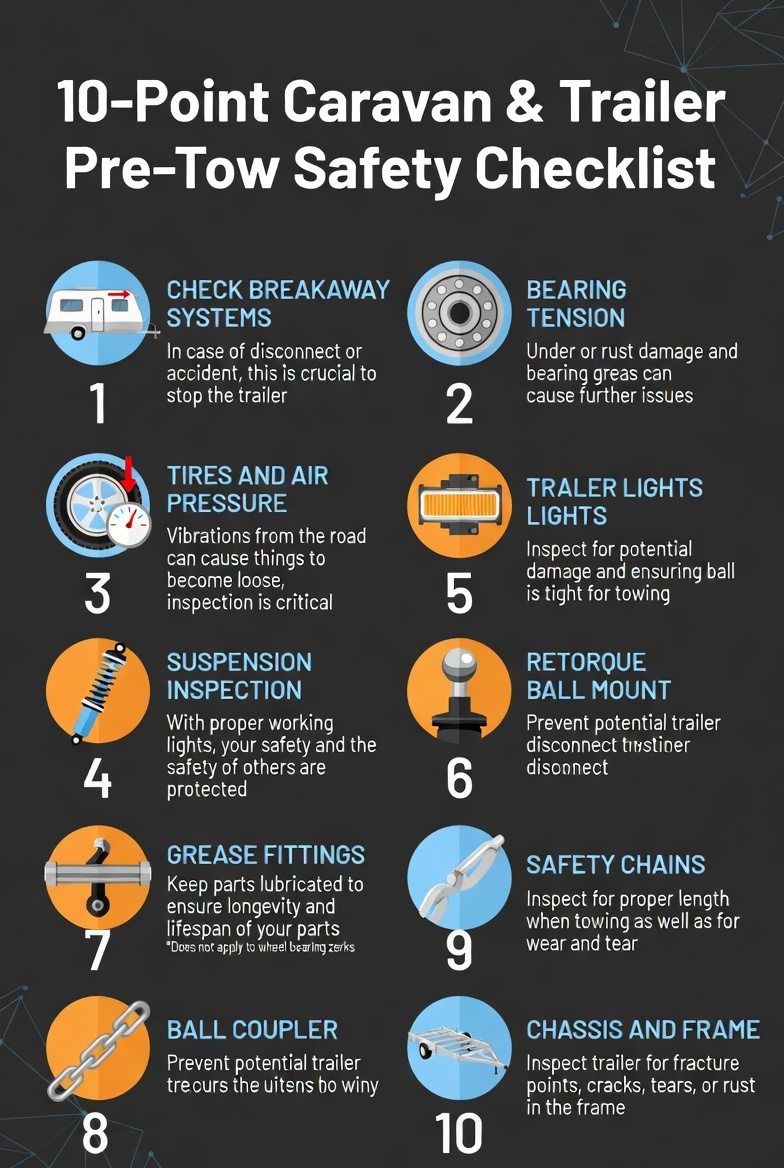
  • Electronic Braking System: Test the system to ensure it functions correctly, as it’s critical for safe towing.
  • Braking Components: Inspect brake pads, drums, and other components for wear and tear to avoid unexpected failures.
  • Onboard Batteries: Test battery health and connections to ensure reliable power for lights, appliances, and other systems.

Regular servicing helps identify and fix issues before they become major problems, keeping you safe on the road.


Prepare caravan for a trip

Plan Ahead: Start Preparations Early

To avoid last-minute stress, begin preparing your caravan or camper 3–4 weeks before your departure. This timeframe allows you to:

  • Address any mechanical or electrical issues identified during servicing.
  • Stock up on necessary supplies and equipment.
  • Test all systems, including water, gas, and electrical, to ensure they’re functioning properly.

Early preparation ensures you’re ready to hit the road without delays or unexpected complications.

Equip Your Caravan Properly

Having the right equipment is essential for a smooth journey. Without proper gear, you risk being stranded or facing avoidable challenges. Key equipment to consider includes:

  • Reliable towing accessories, such as heavy-duty tow bars and safety chains.
  • Power management systems, like solar panels or battery chargers, for off-grid camping.
  • Spare parts and tools for minor repairs on the go.

Unsure about what you need? Consult with professionals for tailored advice on equipment selection or necessary repairs to suit your travel plans.


Prepare your camper before your next trip

Recommended Products from Redarc’s RedNetwork

As part of the Redarc RedNetwork, we recommend high-quality products designed to enhance your caravan or camper experience. Some top picks include:

These products are trusted by travelers for their durability and performance, ensuring you’re well-equipped for any journey.

Final Thoughts

Proper preparation is the key to a successful caravan or camper trip. By prioritizing regular servicing, planning ahead, equipping your vehicle correctly, and choosing reliable products, you can travel with confidence and focus on enjoying the journey. For professional advice or product recommendations, contact our team or visit a Redarc RedNetwork partner to ensure your setup is ready for the road.

The Redarc Networfk

Servicing your own car

Servicing your own car

Servicing Your Own Vehicle: A Guide to DIY Maintenance

Servicing your own vehicle can be an incredibly rewarding experience. Not only do you save money, but you also gain a better understanding of how your car functions. Whether you’re a seasoned DIY enthusiast or a first-timer looking to take charge of your vehicle’s maintenance, there are several things to consider before getting your hands dirty. While DIY car servicing has many benefits, it also comes with its challenges, and that’s where experts like Monteltham Auto Electric can step in to help if you ever get stuck.

The Pros and Cons of DIY Vehicle Servicing

The Pros

  1. Cost Savings – One of the biggest advantages of servicing your car yourself is saving money. Labor costs at workshops can add up quickly, and by doing the work yourself, you only need to pay for parts and materials.
  2. Convenience – Rather than booking an appointment and waiting for your car to be serviced, you can do it at your own pace, whenever it’s most convenient for you.
  3. Learning Experience – The more you work on your car, the better you understand how it functions. This knowledge can come in handy in emergencies and help you detect potential issues early.
  4. Quality Control – When you service your car yourself, you control the quality of parts and fluids used, ensuring the best for your vehicle.

The Cons

  1. Time-Consuming – What a professional mechanic can do in an hour might take you an entire afternoon, especially if you’re new to car maintenance.
  2. Risk of Mistakes – Without the right experience, it’s easy to make mistakes that could lead to costly repairs down the line. Incorrectly tightening a bolt or using the wrong type of oil can cause serious issues.
  3. Lack of Specialized Equipment – Professional workshops have specialized tools and diagnostic machines that may not be readily available to DIY mechanics.
  4. Warranty Concerns – Some manufacturers require services to be carried out by a licensed mechanic to maintain the vehicle’s warranty.

If you ever find yourself in a situation where you’re unsure or stuck, Monteltham Auto Electric is here to help. Whether it’s an electrical issue or just a tricky part of the servicing process, our team is always ready to assist.

What’s Required for a 10,000 km Service?

A standard 10,000 km service is one of the most essential maintenance milestones for your vehicle. Here’s what absolutely needs to be done:

1. Oil and Oil Filter Change

Engine oil is the lifeblood of your vehicle, keeping all the moving parts lubricated and preventing excess wear and tear. Over time, oil degrades and collects debris, making regular changes crucial. Make sure to use the right grade and type of oil recommended by your car’s manufacturer.

2. Air Filter Check and Replacement (if necessary)

A clean air filter ensures optimal airflow to the engine, which helps maintain fuel efficiency and performance. If it’s clogged with dirt and debris, it should be replaced.

3. Fluid Level Checks

Several important fluids need to be checked and topped up if necessary:

  • Coolant/Antifreeze – Keeps your engine from overheating.
  • Brake Fluid – Essential for safe braking performance.
  • Power Steering Fluid – Ensures smooth and easy steering.
  • Transmission Fluid – Vital for the proper operation of your transmission.

4. Tire Inspection and Pressure Check

Tires should be checked for wear, uneven tread, and proper inflation. Under-inflated or worn-out tires can impact fuel economy and safety.

5. Battery Check

A weak battery can leave you stranded. Look for signs of corrosion on the terminals and test its voltage to ensure it’s holding a proper charge.

Other Things That May Need Checking

While the above are the absolute essentials, there are several other maintenance tasks you should consider:

  • Brake Pads and Rotors – If you hear squealing or feel vibrations when braking, it may be time to replace them.
  • Spark Plugs – Worn-out spark plugs can lead to poor fuel economy and engine misfires.
  • Belt and Hose Inspection – Cracks or fraying in belts and hoses could lead to serious mechanical problems if left unchecked.
  • Lights and Indicators – Ensure all bulbs are working, including brake lights, turn signals, and headlights.
  • Wiper Blades – If they’re streaking or skipping across the windshield, it’s time for a replacement.

Final Thoughts

DIY car servicing can be both fun and rewarding, but it requires patience, knowledge, and the right tools. If you’re comfortable with basic maintenance, doing your own 10,000 km service can save you money and give you a sense of accomplishment. However, not everything can (or should) be handled at home. When in doubt, don’t hesitate to seek professional help.

At Monteltham Auto Electric, we understand that some car maintenance tasks can be tricky. If you ever get stuck or need a hand, our team is always here to assist. Whether it’s an electrical issue or just a little guidance, we’re happy to help get your vehicle running smoothly again.

So, roll up your sleeves, get your hands a little dirty, and take pride in maintaining your vehicle—but remember, expert help is just a call away if you need it!

Also our service details are here