The importance of car servicing

The importance of car servicing

The Importance of Regular Car Servicing

As a car owner, you want your vehicle to perform at its best for as long as possible. One of the most important things you can do to ensure this is to get regular car servicing. Regular car servicing involves having your vehicle checked and maintained by a qualified mechanic at regular intervals, usually every 6 to 12 months or after a certain number of miles driven.

Here are some of the reasons why regular car servicing is so important:

Improved safety

One of the most important reasons to get regular car servicing is safety. During a car service, a mechanic will check your vehicle’s brakes, suspension, tires, and other critical components to ensure they are working properly. They will also check for any signs of wear and tear or damage that could compromise your safety on the road. By catching and fixing any issues early on, you can reduce your risk of accidents and keep yourself and your passengers safe.

Increased reliability

Regular car servicing can also improve the reliability of your vehicle. By having your car checked and maintained on a regular basis, you can catch any issues before they become major problems. This can prevent breakdowns and other issues that could leave you stranded on the side of the road or with expensive repair bills. By keeping your car running smoothly, you can also extend its lifespan and get more value from your investment.

Better performance

A well-maintained car performs better than one that is neglected. During a car service, a mechanic will check your vehicle’s engine, transmission, and other key components to ensure they are working at their best. They will also check your fluid levels, filters, and other parts that can affect your car’s performance. By keeping your car in top condition, you can enjoy smoother driving, better fuel efficiency, and overall better performance.

Cost savings

While regular car servicing does involve some costs, it can actually save you money in the long run. By catching and fixing small issues before they become major problems, you can avoid costly repairs and replacements down the line. Regular car servicing can also help you identify areas where you can save money, such as by improving your fuel efficiency or reducing wear and tear on your tires.

Peace of mind

Finally, regular car servicing can give you peace of mind. Knowing that your vehicle has been checked and maintained by a qualified mechanic can help you feel confident and secure on the road. You can drive with the knowledge that your car is running at its best and that you are taking the necessary steps to protect your investment.

In conclusion, regular car servicing is an important part of car ownership. It can improve safety, increase reliability, boost performance, save you money, and give you peace of mind. If you haven’t had your car serviced in a while, now is the time to schedule an appointment with a qualified mechanic. By taking care of your car, you can enjoy a safer, more reliable, and more enjoyable driving experience.


Mont Eltham Car Servicing
Mont Eltham auto Electricians Melbourne

The Importance of Regular Car Servicing and Battery Health

As a car owner, you want your vehicle to perform at its best for as long as possible. Regular car servicing is one of the most important things you can do to ensure this. However, there is one specific aspect of car maintenance that is often overlooked – the health of your car battery. In this article, we will explore why car battery health is important and what you can do to maintain it. Book a service today with Mont Eltham Auto Electric

Why Car Battery Health Matters

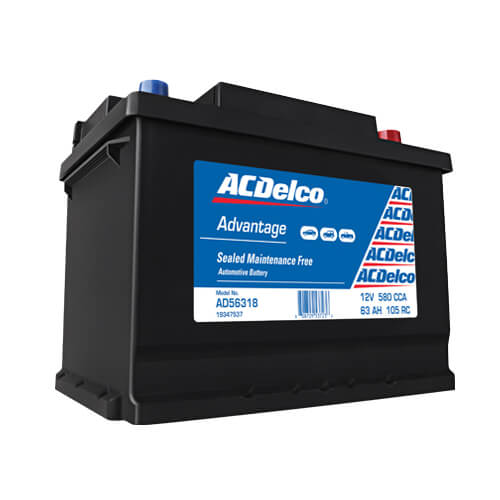
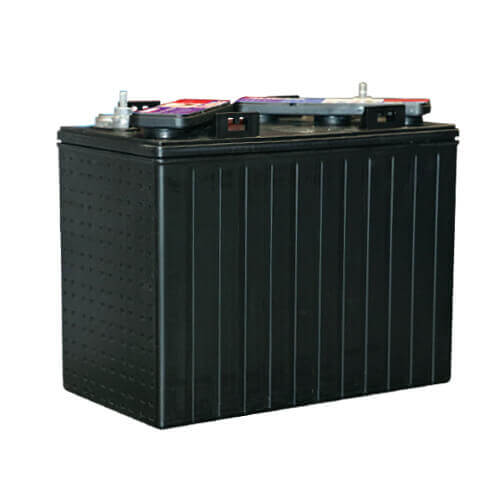
Your car battery is a crucial component of your vehicle’s electrical system. It provides the power necessary to start your car and run all of its electrical components, from the headlights and radio to the air conditioning and power windows. Without a functioning battery, your car simply won’t start or operate.

The problem is that car batteries don’t last forever. Over time, they can lose their charge capacity, become corroded, or develop other issues that can affect their performance. If your battery fails or dies, it can leave you stranded on the side of the road or with a car that won’t start. This can be frustrating, time-consuming, and expensive to fix.

Maintaining Your Car Battery

Fortunately, there are several things you can do to maintain your car battery and extend its lifespan. Here are some tips to keep in mind:

Get regular car servicing

As we mentioned earlier, regular car servicing is important for many reasons, including maintaining your car battery. During a car service, a mechanic will check your battery’s voltage, connections, and overall health to ensure it is functioning properly. They can also clean any corrosion from the battery terminals and recommend a replacement if necessary.

Keep your battery clean and dry

Keeping your battery clean and dry can help prevent corrosion and other issues that can affect its performance. Use a damp cloth to clean the battery and its terminals periodically, and make sure the battery is dry before driving. Avoid spraying water directly on the battery or its terminals, as this can cause damage.

Check your battery’s charge level

Your car’s dashboard should have a battery charge indicator that shows the level of charge remaining in your battery. If the charge level is low, it may be time to replace your battery or have it recharged. Some newer cars also have a built-in battery health monitor that can alert you to any issues before they become major problems.

Use your car regularly

If you don’t use your car regularly, your battery can lose its charge over time. This can lead to a dead battery or reduced battery life. If you don’t plan to use your car for an extended period of time, consider disconnecting the battery or using a trickle charger to keep it charged.

Avoid excessive heat and cold

Extreme temperatures can affect your car battery’s performance. In hot weather, your battery can overheat and become damaged, while in cold weather, it can lose its charge capacity. To prevent these issues, try to park your car in a covered area or garage, and avoid exposing your battery to extreme temperatures whenever possible.

In conclusion, maintaining your car battery is an important part of car ownership. By getting regular car servicing at Mont Eltham Auto Electric, keeping your battery clean and dry, checking its charge level, using your car regularly, and avoiding excessive heat and cold, you can extend your battery’s lifespan and avoid costly repairs or replacements. If you’re unsure about your battery’s health or performance, don’t hesitate to speak to a qualified mechanic. They can assess your battery’s condition and recommend any necessary maintenance or replacements.

Lithium-ion or Lead Acid

Lithium-ion or Lead Acid

Q: What are the advantages of a lithium car battery over a traditional lead acid car battery?

Higher energy density: Lithium-ion batteries have a higher energy density than lead-acid batteries, which means they can store more energy in the same amount of space. This allows for smaller and lighter battery packs.

Longer lifespan: Lithium-ion batteries can last up to 2-3 times longer than lead-acid batteries, which reduces the need for replacement.

Lower maintenance: Lithium-ion batteries do not require regular maintenance like lead-acid batteries do, such as adding water to the cells.

Faster charging: Lithium-ion batteries can be charged more quickly than lead-acid batteries, which can be useful in electric vehicles where a rapid charge is needed.

More consistent performance: Lithium-ion batteries deliver a consistent level of performance throughout their discharge cycles, whereas lead-acid batteries typically deliver less power as their charge decreases.

Wide Temperature range: Lithium-ion batteries perform well in a wide range of temperatures unlike lead-acid batteries which are sensitive to temperature change and can be less effective in extreme hot and cold temperatures.

Q: what is the lifetime of of a lithium car battery over a traditional lead acid car battery?

The lifetime of a lithium-ion car battery is typically longer than that of a traditional lead-acid car battery. On average, a lithium-ion battery can last between 8 to 15 years with proper maintenance and usage, whereas a lead-acid battery typically lasts between 2 to 5 years.

The lifespan of lithium-ion batteries is determined by the number of charge cycles they can withstand before the capacity decreases to a certain level. This can vary depending on the usage and conditions of the vehicle, but generally a lithium-ion battery can last up to 2000-3000 cycles. A lead-acid battery, on the other hand, typically lasts for around 500 to 800 cycles before the capacity is significantly reduced.

It’s important to note that a lithium-ion battery that is well-maintained and operated within the recommended temperature range, and have balanced charge, have the potential to last longer than mentioned above. While, harsh conditions, overcharging, or deep discharging can reduce the battery’s life significantly.

How does the price compare of lithium car battery over a traditional lead acid car battery?

The price of a lithium-ion battery is typically higher than that of a lead-acid battery. This is because lithium-ion batteries are more complex to manufacture, and the materials used in them are more expensive. The cost of lithium-ion batteries has been decreasing over time, but it still remains higher than lead-acid batteries.

As an example, in the EV industry, a typical lead-acid battery pack costs around $100 to $150 per kilowatt-hour, while a lithium-ion battery pack can cost between $150 and $200 per kilowatt-hour. However, the cost per kilowatt-hour of lithium-ion batteries continues to decrease and expected to be much more affordable in the future.

It’s also important to consider that while the initial cost of a lithium-ion battery may be higher, its longer lifespan, higher energy density, and lower maintenance requirements may offset this cost over time. Additionally, lithium-ion batteries often can provide better performance, efficiency and safety benefits that can justify its higher cost in certain use cases.

What would you recommend a lithium car battery or a traditional lead acid car battery?

As a general statement, I would recommend a lithium-ion battery over a traditional lead-acid battery for use in a car. This is because lithium-ion batteries have several advantages over lead-acid batteries, such as higher energy density, longer lifespan, faster charging, lower maintenance and consistent performance, more suitable for extreme temperatures. These advantages may make them a more cost-effective choice over the long term, despite their higher initial cost.
However, it’s important to note that the choice between a lithium-ion battery and a lead-acid battery will depend on the specific use case and requirements of the application. For example, if cost is the primary concern, a lead-acid battery may be a more cost-effective option. If weight, size or performance is important, then a lithium-ion battery would be the best option.
It’s also important to consider the safety and regulatory aspects of the use case and the proper handling of the batteries, lithium-ion batteries have different safety concerns than lead-acid batteries and specific regulations may apply to them. It’s important to consider all the factors specific to the application and consult with experts before making a decision.

What are the main points to consider when buying a lithium-ion car battery?

1. Capacity: The capacity of a battery is measured in watt-hours (Wh) or ampere-hours (Ah) and it determines how much energy the battery can store. The higher the capacity, the more energy the battery can store, and the longer the car can travel before needing to be recharged.
2. Voltage: The voltage of a battery pack determines the compatibility with the car’s electric systems. Most electric cars and hybrids use a nominal voltage of around 350-450 volts, but it’s important to check that the battery pack you’re considering is compatible with your vehicle.
3. Energy density: This refers to how much energy can be stored in a given volume or weight of the battery pack. The higher the energy density, the smaller and lighter the battery pack can be, which is beneficial for electric cars to increase the range.
4. Cycle life: This refers to the number of times a battery can be charged and discharged before its capacity is reduced to a certain level, usually around 70% of its original capacity. Lithium-ion batteries have a much longer cycle life than lead-acid batteries and this means less maintenance and cost for the lifetime of the battery.
5. Safety: Lithium-ion batteries have different safety concerns than lead-acid batteries, it’s important to consider the safety record of the manufacturer and that the battery meets all relevant safety standards, regulations and certifications.
6. Warranty and Support: Consider the warranty offered by the manufacturer and the availability of technical support if something goes wrong. It’s a good idea to find a reputable supplier and make sure you know the terms of the warranty and what’s covered in case something goes wrong.
7. Price: although it’s more expensive than lead-acid batteries, lithium-ion batteries have a longer lifespan, lower maintenance and better performance. So, compare the costs of lithium-ion and lead-acid batteries over the long term and evaluate which one is more cost-effective, considering the use case and the specific needs.

Pure Sine Wave Inverters

Pure Sine Wave Inverters

How to work out what size inverter to buy.

The first thing you need to do is work out the load, that is, the total wattage you are going to need at one time. So how do you do this? Look at all your appliances and work out how many of them you will be using at the same time on a daily basis. For example, you may have a fridge that is plugged in all the time but at times you may plug in a kettle and have all the lights on. All at the same time. This would be your peak power usage and as such you simply add up each appliance individual wattage.

So the way it works is if you have all these appliances on at the same time, your Redarc Inverter needs to be able to handle these peak demand points, or else the safety protection built into the inverter will shut down.

To take this example further, your kettle may have a wattage of 1200 watts, your fridge may be drawing 100 whats and your lights another 200 watts. In this case the total load is 1500 watts. So it may be wise to choose a 2000 watt inverter so you have a bit of spare capacity. Remember, you dont always have to use these appliances at the same time, so if you get that overload warning sound you can always unplug one of the appliances while you finish your task with the others.

What are my Battery Requirements?

Next you need to work out if your battery bank is up to the task and a rule of thumb states that for every 200Ah of battery, say lithium deep cycle, you can power and inverter * 10 watt inverter, or 2000 watt inverter. Always ask your qualified auto technician to confirm your calculations but this simple calculation will give you some idea of your requirements.
Here at Monteltham Auto Electric we recommend the Redarc range of inverters which includes
350W, 700W, 1000W, 1500W, 2000W, 3000W modles. You can check out the Redarc range here: https://www.redarc.com.au/pure-sine-wave-inverters page which also provides a calculator based on how much you can afford.

Redarc Inverters are pure Sine Wave Inverters which provide you with exactly the same 240 volts you have at home. The fact that they are Pure Sine Wave Inverters means that the inverter will output a unique sine wave and so the output will be smoother and more reliable.

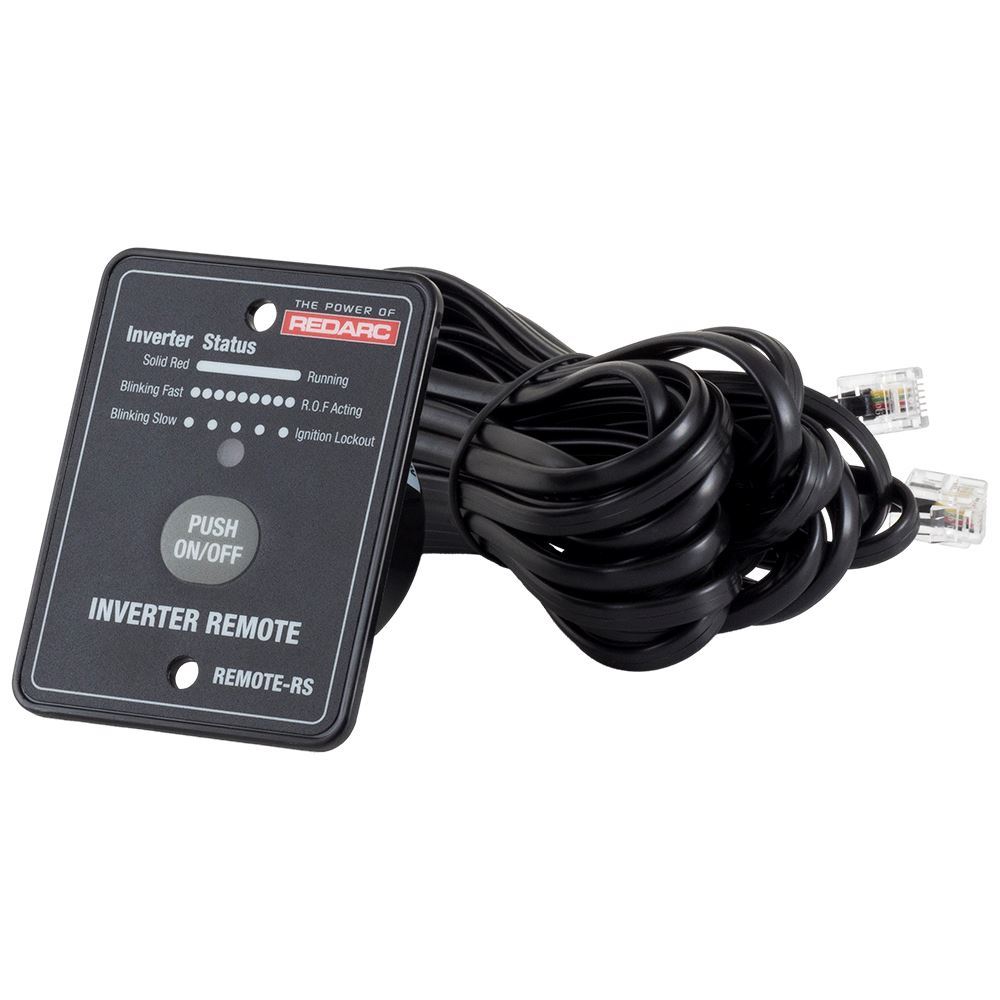
All the Redarc Inverters have a remote control which is a handy feature for controlling your Inverter, see this link: Inverter Remote Control

2000 watt Redarc Inverter 12V

Pure Sine Wave Inverter

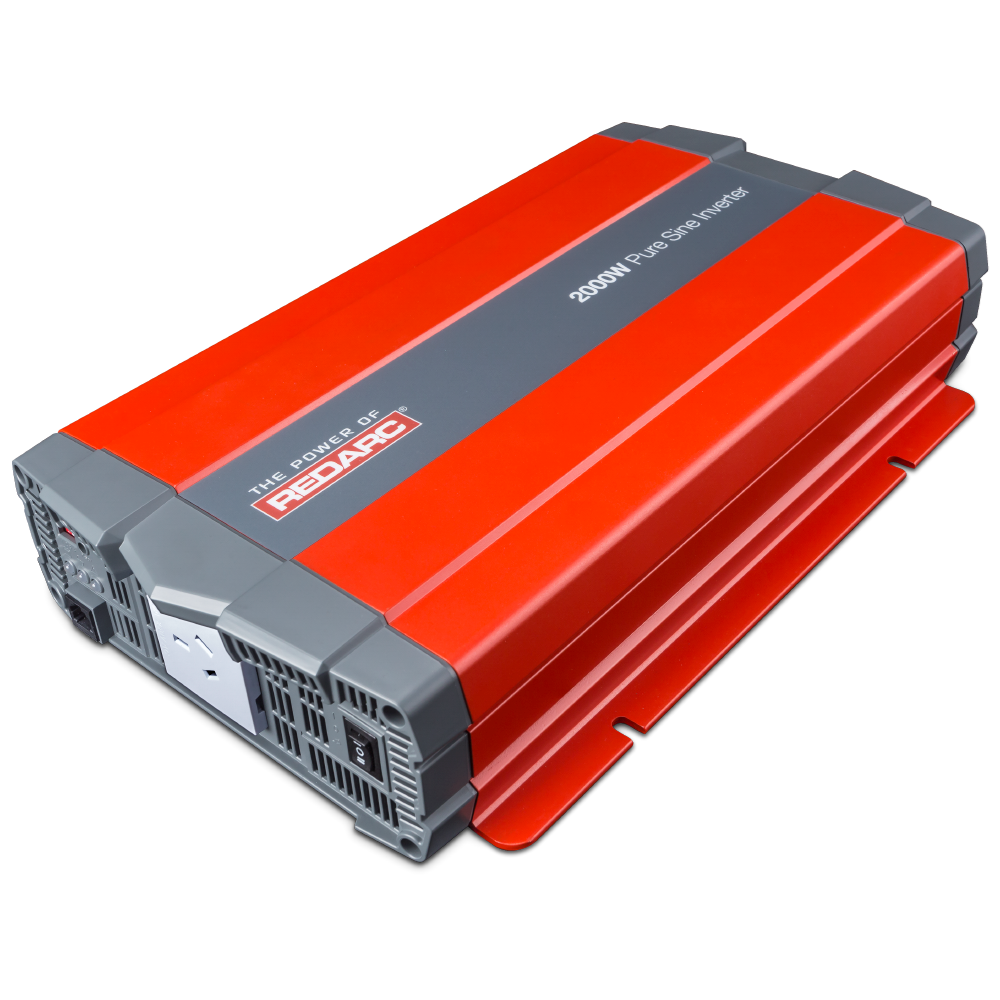
With the REDARC’s 2000W Pure Sine Wave inverter you can plug in any 240 appliance and come in both 12v and 24v modles and they make sure that the appliances run smoothly and in an efficient manner, they produces very little heat or noise. They are also much thinner than the earlier models and also weigh less.
Overload Features
The 2000W inverter has various attributes which protect the inverter from overloading issues, electrical short circuitry and overheating. There is also a fan which kicks in at a certain load, ensuring the inverter stays cool and fuctional.
In other words with the REDARC 2000W inverter you can take all your home comforts with you on your travels knowing that you have the power without worrying about any harm to your appliances.

Remote Control

Inverter Remote Control

There is an optional Remote on/off switch (REMOTE-RS) mentioned before, (It all works with out the remote but it is handy) that allows the control of the inverter from a remote. One reason for the remote control is that the inverter can be fitted out of sight and you will still be able to control the inverter up to 8 meters away.
Benefits
• Appliances will run smoother and more efficiently, producing less heat and noise
• Designed to run any 240 volt equipment
• Take all the comforts of home whilst you travel
• AS/NZS 4763 Compliant
Features
• Pure Sine Wave output
• Input and output are fully isolated
• Multiple levels of protection; overload, short circuit and over temperature and load-controlled cooling fan

Why you need Trailer Brake Controller

Why you need Trailer Brake Controller

R EDARC Tow-Pro Electric Trailer Brake Controller

Why you need Trailer Brake Controller

It is reasonable to understand that when towing a trailer, you now have two vehicle loads to consider, when applying the brakes and bringing two vehicles safely to a halt. If you are towing a caravan you now have 2.5 tons extra to bring under control.

The Redarc Tow-Pro Electric Trailer Brake Controller offers you control over your trailer giving you a feeling of safety and control, a much smoother drive. The controller is fully adjustable and if you have to suddenly brake hard both your vehicle and the trailer or caravan will brake simultaneously and come safely to a stand still.

Why you need Trailer Brake Controller
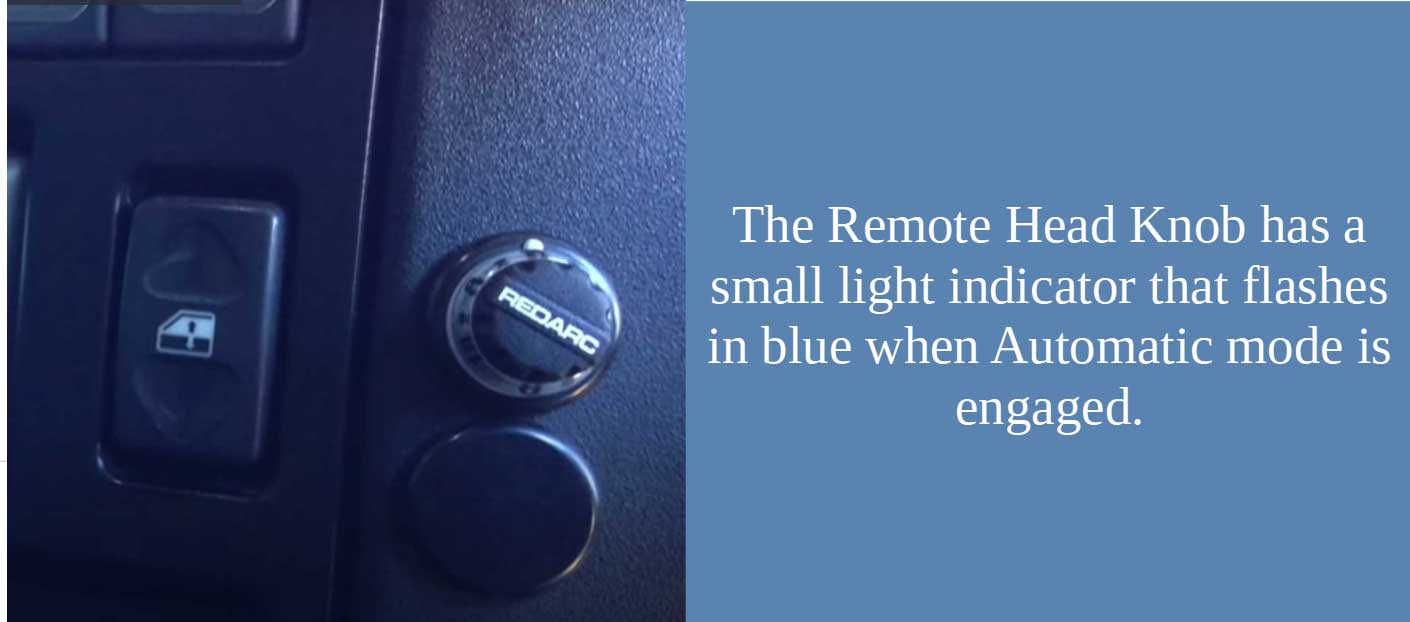
remote head

MODES

The REDARC Tow-Pro Electric Trailer Brake Controller has two modes:

  1. Proportional – (Inertia Sensing) – Automatic
  2. User Controlled – It is possible to control just the trailers brakes and still bring on both vehicles brake lights.

INSTALLATION

The main unit is fitted unseen under the dash. Outside on the dash is placed a single “Remote Head” dial. With this head dial, the braking is controlled via the modes that are available. See Redarc Vidio


If you would like to get someone to call you or leave a message by sending off your details with the form below:

Contact us

2 + 15 =

Why you need Trailer Brake Controller
Caravan Solar Panels & Batteries & Power Systems

Caravan Solar Panels & Batteries & Power Systems

The use of Solar Panels for Caravans

There are multiple reasons as to why you should Install Solar Panels onto Caravans. They are essentially an economical, sustainable and convenient energy supplier to your Caravan. Here is a list of the advantages to solar panel instillation Eltham.

Caravan Solar Panels | How do they work? | The Eco Experts
Solar Panel for Caravans Eltham

Advantages of Solar Panels

Economical – Though the initial cost of buying and installing solar panels can have a fair price, there are no ongoing costs after that. The long term savings that solar panels will give you will make up for the original costs as you will never have to shell out for power.

Sustainable – If Sustainability is a priority of yours, considering solar panels is a great step to reducing your carbon emissions. This is because solar panels use sustainable energy from the sun a renewable source.

Convenient – As solar panels require nothing but the sun, they are an incredibly convenient purchase for caravanners. They don’t require fuel or oil like Generators do, therefore, as long as you have a good quality battery to store the energy when you have no access to the sun, you will constantly be in access to power.

What will Need Powering

When deciding on the type of Solar panel and how many you require, you have to consider how many appliances you will need to power within your Caravan.

Most likely if you plan to be travelling and living out of your caravan, these are the things you will have to consider powering :

  • Stove (if not a gas stove)
  • Phone and electrics charging
  • Air conditioning
  • Fridge
  • Any extra lamps or lighting

What power do Appliances Need?

In order to understand the size and type of solar panel you need you need to know what appliances you will be having in your caravan and which need powering. Here is a list of the average power each appliance needs.

How much Electricity can you expect per kW of Solar Panels?

It strongly depends on your location and how much energy your solar panels will provide you with, as well as the weather, the time of year and the time of day. It all relies on the sun.

Solar Power systems are rated in watts of kilowatts. Roughly about 1kW of solar panels equals to 4kW of electricity produced each day. For each kW of solar panels you can expect about 4kW of power per day of electricity generation. A 6.6kW solar system will generate about 26.4kW on a generally sunny day.

What kind of Solar Panels are there?

Glass solar panels – Which are the oldest kind of solar panels, have a rigid frame, get attached to the roof with mounting brackets and are a good solution in household instillations.

Mobile Applications – Are semi flexible which offers advantages, and can be directly applied to the roof of a caravan, yet can be more expensive.

Folding Panels – Can be both glass and flexible and are especially popular with campers and caravans due to how you can adjust the angle of the panel depending on the angle of the sun for optimum light absorption.

Basic Caravan Solar System

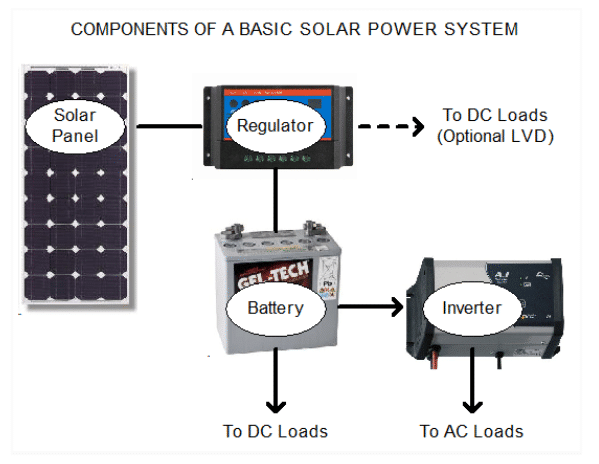
The solar system is broken down into four major components. The solar panel, regulator, battery and inverter. Firstly the solar panel converts sunlight into DC electricity which charges the battery. The regulator makes sure is charged properly and doesn’t get damaged from over-charging or over discharging. Then the battery stores the energy and can directly charge DC appliances, however AC appliances need an inverter to convert the energy.

Caravan Solar Panel
source: solaronline.com

What size Battery do you need?

The most common Caravan battery set up that will be sold to you will include 2 x 180amp batteries, with with 2x 150watt solar panels on the roof, and a 40AC caravan battery charger.  This will give you the basic convenience of running your 12 volt appliances off your battery system, and have the ability to re-charge your caravan batteries through mains 240 volt power connected to your caravan or 12volt solar panels mounted on your roof.

Depending on how many people are living in the caravan, as well as the size, you may need a larger system. This system works for about two people .

Why you shouldn’t use your car battery to power caravan supplies

In theory it is possible to power your caravan appliances on your car battery, however it is designed to be fully charged and deliver a power pack charge of energy in short bursts to crank over your engine before being quickly fully charged again. This means the car battery is designed to operate at close to 100% capacity levels for optimum longevity. Caravan batteries however, work better and last longer when they are getting a deep cycle when you are drawing a lower and more consistent supply of energy. You will be replacing the car battery far more often which is not economical when there are solutions like solar power.

Redarc Battery Systems

Redarc Battery Systems

REDARC Lithium Deep Cycle Batteries

These batteries offer great performance, meaning that they deliver exceptional power they are designed to and the life of the battery is unrivaled.

Dual Battery Systems

Using a second battery in your power set-up allows you to use more pwer hungry devises like a portable camping fridge for example. Redarc 12v lithium batteries will build a battery bank ideal for caravans, boats, camping vans and four wheel drive vehicles. These batteries are designed for the tough Australian outback conditions and provide longer lasting power and are both light-weight with large capacity.

The Redarc lithium range (LifePO4) are quick to charge requiring little or no maintenance perfect for camping, trouble free. The just do what they are suposed to.

Below we have created a chart which will give you some idea of what kind of power output you require for different loads. The first chart is for small loads and require only 12 volt where as the second chart will reveal what you need for larger loads and a 240 Volt appliances. Here you will need an inverter to change the power from DC to AC.

12 Volt

Devices you
want to use?

Phones
Tablets

Basic
LED
Lights

Water
Pump

Caravan
LED 
lights

Portable
50 Litre
Fridge

60 Ah
Slimline
Battery

1
Battery

1
Battery

1
Battery

1 or
possibly 2
Batteries

1 or
possibly 2
Batteries

100 Ah
Standard
Battery

1
Battery

1
Battery

1
Battery

1 or
possibly 2
Batteries

1 or
possibly 2
Batteries

240 Volt

Below is a chart to show you what you might need to run AC appliances like fridges, microwaves, hair dyers and the like.

Devices you
want to use?

Laptops
or Drone
Battery

2 slice
Toaster

Hair
Dryer

Microwave

Electric
Kettle

60 Ah
Slimline
Battery

2
Batteries

2
Batteries

3
Batteries

5
Batteries

100 Ah
Standard
Battery

1 or
possibly 2
Batteries

2
Batteries

2
Batteries

3
Batteries

5
Batteries

100 Ah
Heavy
Duty
Battery

1
Battery

1
Batteries

2
Batteries

2
Batteries

200 Ah
Heavy
Duty
Battery

1
Battery

1
Batteries

2
Batteries

2
Batteries

Inverter

350w

1000w

1500w

2000w

3000w

Redarc LiFePO4 batteries come in capacities ranging from 60Ah to 200Ah.
They all an internal BMS (battery management system)
The Battery Management System allows battery connection in parallel. This will increase the storage times and capacity

It is possible to set up to four 60Ah batteries together and up to 6 * 100Ah or 100Ah-HD or 200Ah batteries together. This will give you a great deal of energy!

Redarc Batteries